
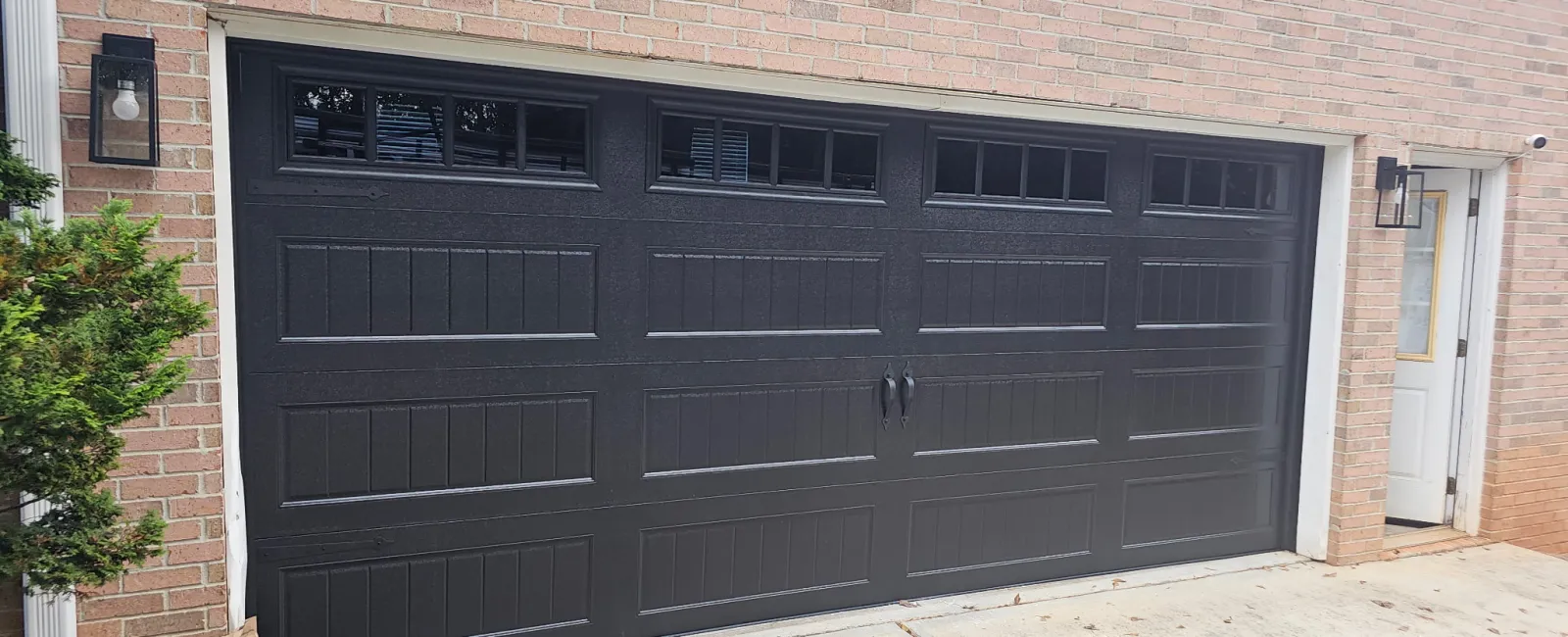
When looking for ways to improve home energy efficiency, homeowners often look at windows, attics, and entry doors. However, the largest opening in the home—the garage door—is often overlooked.
Many homeowners debate whether upgrading to an insulated model is a smart financial move or just an unnecessary expense. To make the right decision for your home, you need to understand the mechanics of heat transfer and how insulation affects the garage environment.
Let's look at the facts to answer the question: Is garage door insulation worth it?
Is Garage Door Insulation Worth it & How Does It Work?
To determine value, you first have to understand the function. Does garage door insulation work? The answer lies in thermodynamics. Metal is a high conductor of thermal energy. In the summer, a standard steel door conducts outside heat into the garage. In winter, it allows internal heat to escape.
Insulation works by creating a barrier that slows this heat transfer. By filling the door panels with polystyrene or polyurethane, you disrupt the flow of thermal energy. This doesn't make the garage "climate controlled" on its own, but it significantly reduces the extreme temperature spikes that occur in a non-insulated space.
Reasons for Insulating Your Garage Door
While temperature control is the main driver, there are several practical reasons homeowners choose to upgrade.
- Attached Living Spaces: If you have a bedroom above the garage or a living room adjacent to it, an uninsulated door creates a cold or hot pocket that affects those rooms.
- Vehicle Protection: Extreme temperature shifts can affect tire pressure, battery life, and fluids in your vehicle.
- Durability: Insulated doors are generally constructed with multiple layers (steel-insulation-steel), making them more resistant to dents and warping than single-layer doors.
Pros & Cons of Insulating Your Garage Door
Before making a purchase, it is helpful to compare the benefits against the drawbacks.
The Pros:
- Energy Efficiency: Does insulating a garage door help reduce bills? If the garage is attached, yes. It acts as a buffer zone for the rest of the house.
- Noise Reduction: A major benefit often forgotten is sound. Insulated doors vibrate less, making them quieter to operate and better at blocking street noise.
The Cons:
- Upfront Expense: Insulated garage doors vs non insulated models will be more expensive to purchase initially.
- Weight Considerations: Insulation adds significant weight to the door. This requires specific springs and openers capable of lifting the heavier load.
Methods for Insulating Garage Doors
There are two primary ways to achieve an insulated garage, though they offer different levels of effectiveness.
New Insulated Garage Doors
This is the most effective method. Manufacturers build these doors with the insulation sandwiched between steel layers during the fabrication process. This ensures there are no gaps and provides the highest R-values (thermal resistance).
Alternatives to Insulating Your Garage Door
If the door panels themselves aren't the issue, the problem might be air leaks. Even a highly insulated door will fail if air can bypass it.
- Weatherstripping: The rubber seal at the bottom of the door can crack or flatten over time. Replacing this creates a tighter seal against the concrete.
- Perimeter Seals: Vinyl stopping around the top and sides of the door frame helps close the gaps between the door and the jamb.
When to Insulate Your Garage Door
In the Atlanta area, specific use cases make insulation more necessary:
- Utility/Laundry Rooms: If your washer, dryer, or water heater is in the garage, insulation protects appliances from freezing temperatures.
- Workshops: For homeowners who use the garage for hobbies, insulation extends the usable hours during humid Georgia summers.
Air Sealing
Insulating a garage door is only part of the equation. Air sealing prevents drafts. A professional inspection can identify if air is leaking around the frame, which would negate the benefits of the insulation foam.
Should You Insulate Your Garage Door?
If your goal is to reduce noise, increase durability, and stabilize temperatures in an attached garage, insulation is a solid investment.
However, a critical safety note: You should be cautious about adding insulation materials to an existing door.
Adding insulation changes the weight of the door. Garage door springs are precisely calibrated to lift a specific weight. If you add weight without adjusting or replacing the springs, the opener can fail, or the springs can snap. Spring tension is dangerous and should only be handled by a professional.
Ready for more energy Efficiency? Contact Balanced Garage Doors in Georgia Today!
Making the right choice for your home involves weighing the current setup against your energy goals. We can inspect your current system and recommend the best insulated options for your needs. Contact Balanced Garage Doors today for an estimate or consultation.
