
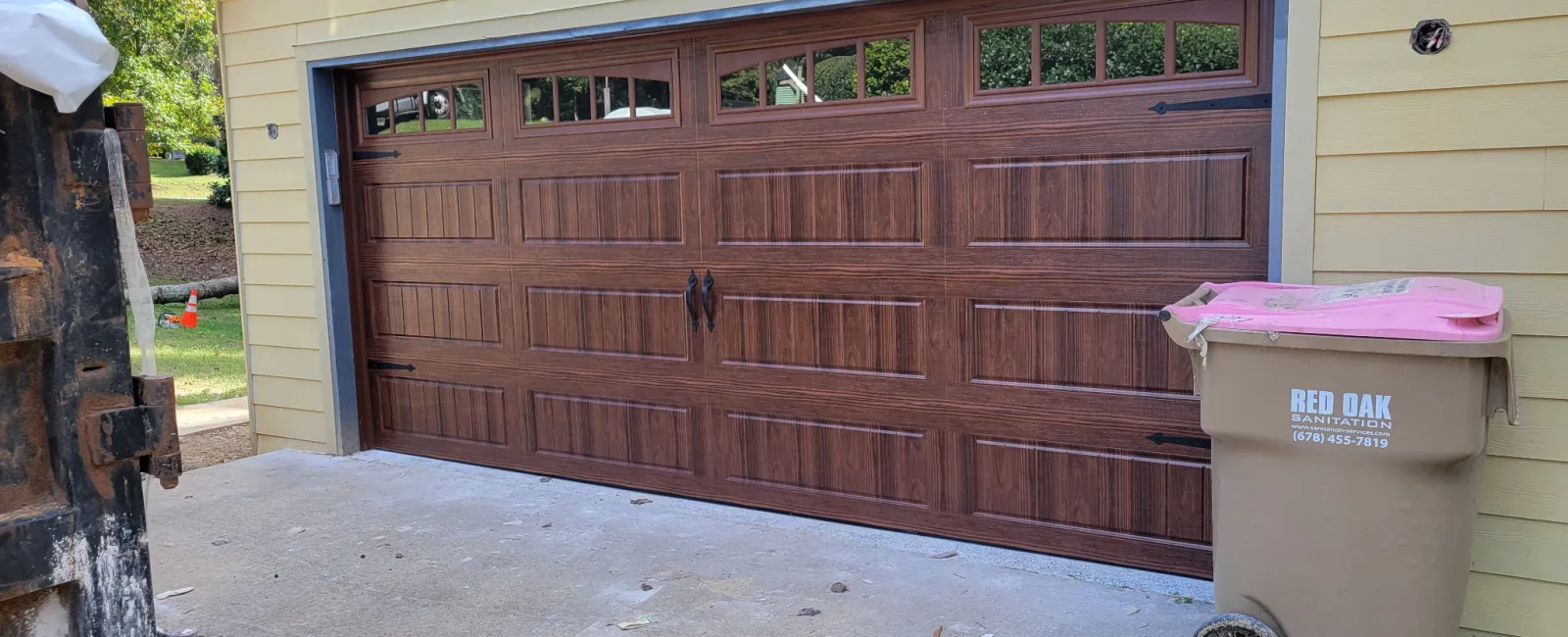
Your garage door can't protect your garage if water, bugs, and debris can slide in under the door. You need a good seal that will help keep them out. These seals, and the rest of the weatherstripping that goes around the door, are vital to maintaining comfort and cleanliness in your garage.
What Is a Garage Door Seal, and What Does It Do?
A garage door seal is a rubber barrier that seals the space between the door and the ground. When the garage door is closed, the seal should prevent leaves from blowing in, keep cold air out in winter, and stop bugs from sneaking in around the door. This seal is vital; not having one, or having one that's in bad shape, can lead to increased utility bills and potential pest infestations. Note that the strips along the left and right sides of the door are sometimes called jamb seals.
Different Types of Garage Door Seals
The seals that fit at the bottom of the garage door come in different shapes. Some are better for one purpose or another.
T Shape
These seals have what looks like a long half-circle with two flat ridges running along each edge. When the door closes, those flat ridges -- they look like the letter "T" -- press against the ground, creating a seal.
Bulb Shape
A very flexible seal that's good for uneven flooring. The seal looks like a T shape, but those two ridges along the edges of the seal are rounded like bulbs.
P Shape
P-shaped seals have one ridge running across the length of a round seal that's shaped like a solid P. The P-shaped ridge fits into a special attachment on the ground to provide a stronger block for stronger winds.
Triple Contact
As the name suggests, these seals provide three different points where the seal closes off the garage from the outside.
Brush Seal
Brush seals literally are brushes with rows of bristles that help block dust from getting in. These are mainly used in commercial and industrial applications, but homeowners with sheds that have roll-up metal doors might be interested in these.
Threshold Seal
Threshold seals are somewhat different from other garage door bottom seal types. Instead of attaching to the door, this seal attaches to the garage floor and acts as an additional barrier. Because this seal is fully attached to the ground along the seal's entire length, it's effective for driveways where water and wind blowing leaf debris against the bottom of the door are a major problem.
Trust Balanced Garage Doors in Georgia to Replace Your Garage Door Seals
At Balanced Garage Doors, we pride ourselves on getting the job done right the first time. We offer fast service and handle every aspect of garage doors, from installation to repair, including weatherstripping. Call us now for a free quote or to arrange for same-day service. Get your garage door fixed fast!
FAQs About Garage Door Seals
Garage door seals and weatherstripping aren't parts that you normally think about when operating your garage door. But they play important roles in protecting your garage and everything in it.
What is a garage door seal, and what does it do?
A garage door seal is a rubber barrier that seals the space between the door and the ground when the garage door is closed. The purpose is to stop wind, water, leaf debris, and bugs from crawling into the garage under the door.
How do a garage door seal and garage door weatherstripping differ?
The seal is the strip that runs along the bottom of the door, while the weatherstripping is the strip that runs along the sides and top (although again, the left and right sides are often called jamb seals). You'll often hear people use the word "weatherstripping" to refer to all four sides, so think of it as a weather seal for a garage door.
What are the benefits of installing garage door weatherstripping?
Good weatherstripping blocks bugs from getting past the door. (Note that bugs can still get through cracks in the wall and so forth.) The strips also stop leaves and other debris from sliding under the door and stop hot and cold air from seeping into the garage.
How do I know if my garage door seal needs to be replaced?
If you feel a draft around the door or notice part of the seal or weatherstripping has cracked or wrinkled (when the door is open and there's no pressure on the seal), those are signs you have to replace the seal. The same goes for finding puddles just inside your garage or seeing light leak out at night.
Can I install garage door weatherstripping myself?
Please don't attempt to install weatherstripping yourself. While installation seems simple, you may not be able to get the exact placement needed to protect your garage. An experienced garage door repair person is a better choice for the job.
How long does a garage door seal typically last?
The seals can last up to five years or so, although some may need replacement as often as every couple of years. Treat the seals gently, wiping them down with water every few months. If you want to use a mild cleanser that's safe for the materials in the seal, that's fine, too.
