
Guide to Garage Door Opener Sizes: What To Consider
Choosing a new garage door opener is a significant decision for any homeowner. While most people focus on the brand or the noise level, the actual power behind the unit is what determines how well your door functions over time. If you install an opener that is underpowered, you risk burning out the motor and putting unnecessary strain on your door components. Conversely, buying a high-powered unit for a lightweight door might be an unnecessary expense.
How To Choose a Garage Door Opener Size
When you ask yourself, what size garage door opener do I need, you must look at the weight and material of your door. A standard aluminum door weighs much less than a custom solid wood carriage door. You also need to consider the frequency of use. If your garage serves as the primary entrance to your home, you will want a more robust motor that can handle multiple cycles every day.
The garage door opener size is typically measured in horsepower (HP). This rating indicates the lifting capacity of the motor. While the garage door springs do the heavy lifting, the opener provides the force to get the door moving and keeps it under control. Matching the horsepower to the weight of your door ensures a smooth operation and prevents premature wear and tear.
Garage Door Opener Sizes
Selecting from a garage door opener size chart often reveals several standard options. Understanding these tiers helps you narrow down the best fit for your specific setup.
⅓ HP opener
The ⅓ HP opener is the entry-level size. It is best suited for lightweight, single-car garage doors made of uninsulated steel or aluminum. While these are often the most affordable models, they are rarely recommended for modern homes because they can struggle with the added weight of insulation or double-car configurations.
½ HP opener
This is the most common garage door opener size for residential properties. A ½ HP unit is typically sufficient for a standard double-car garage door made of sectional steel. It provides a reliable balance of power and efficiency for most sectional doors that are properly balanced.
¾ HP opener
If you have a heavier door, such as one made of wood or a door with high-end insulation, a ¾ HP motor is often necessary. These units offer more durability and tend to last longer because they do not have to work as hard to lift the door. They are also ideal for oversized doors that exceed standard height or width.
1 ¼ HP opener
For the heaviest applications, a 1 ¼ HP motor provides maximum power. These are used for massive custom wood doors or industrial-strength residential doors. They provide the ultimate performance and are often paired with high-end features like battery backups and smart technology.
Types of Garage Door Openers
Beyond horsepower, the drive system affects performance. Chain drives are durable and common, but can be noisy. Belt drives offer a much quieter operation, making them ideal for garages located under bedrooms. If you are looking for a sleek, space-saving option, wall-mounted jackshaft openers are an excellent choice for new garage doors with high ceilings.
Trust Balanced Garage Doors for Your Garage Opener Needs
Finding the right. garage door openers requires professional insight to ensure your system is safe and efficient. At Balanced Garage Doors, we provide expert installation and replacement services throughout the North Georgia area. Our technicians evaluate your door's weight and balance to recommend the perfect horsepower for your home. We use quality parts and offer same-day service to keep your home secure and your door running smoothly.
FAQ About Garage Door Opener Sizes
How much horsepower do you need for a 2-car garage door?
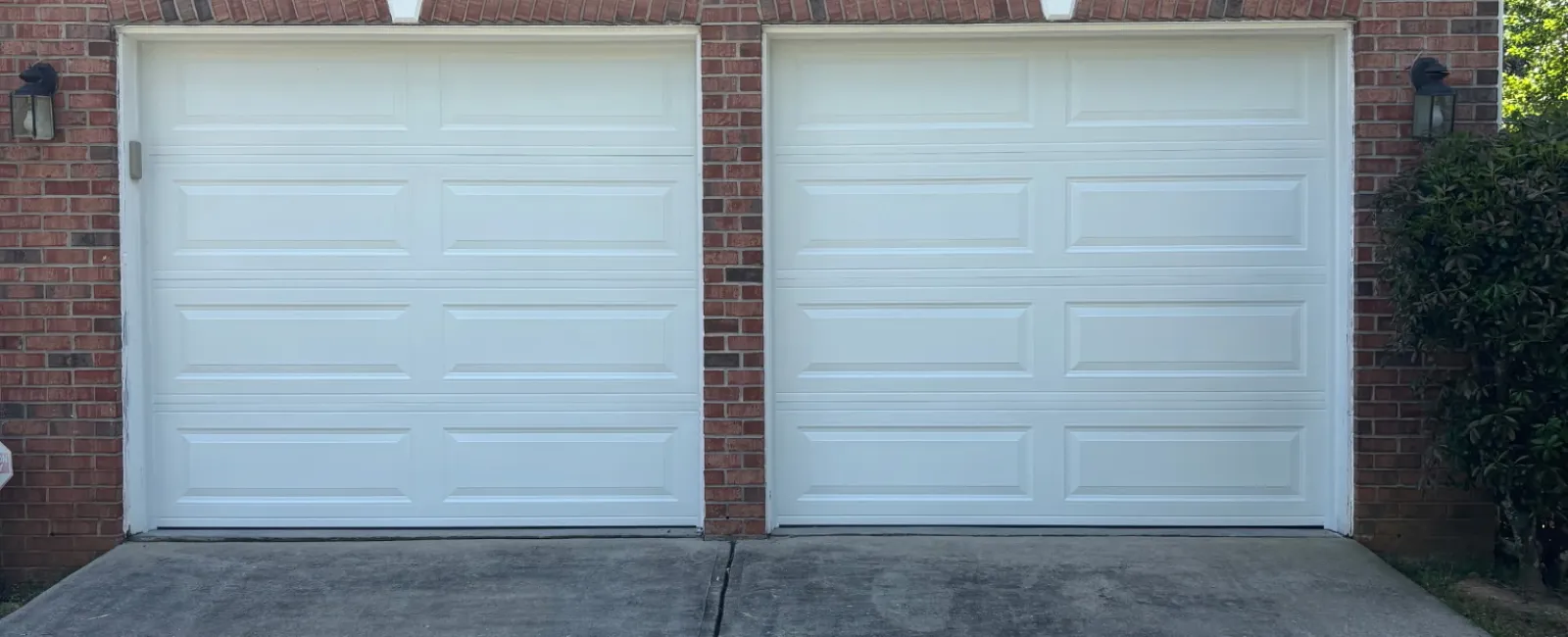
For a standard 2-car sectional steel door, a ½ HP motor is usually the minimum requirement. However, many homeowners choose a ¾ HP model for increased longevity and smoother operation, especially if the door is insulated.
Is a ¾ HP garage opener too much?
It is rarely possible to have "too much" horsepower, as a more powerful motor will simply operate with less strain. While a ¾ HP unit might cost slightly more upfront, it often pays for itself through a longer life span and quieter performance.
What's the difference between ½ HP vs. 1 ¼ HP garage door openers?
The primary difference lies in the lifting capacity and intended use. A ½ HP motor is designed for standard residential doors, while a 1 ¼ HP motor is a heavy-duty option meant for the heaviest custom doors, providing maximum lifting power and durability.
If you are ready to upgrade your system or need a professional assessment, contact us today at Balanced Garage Doors.
